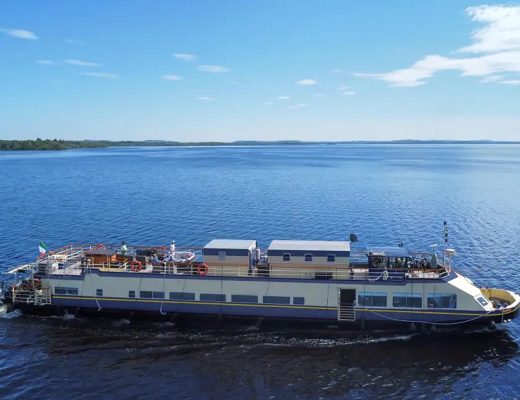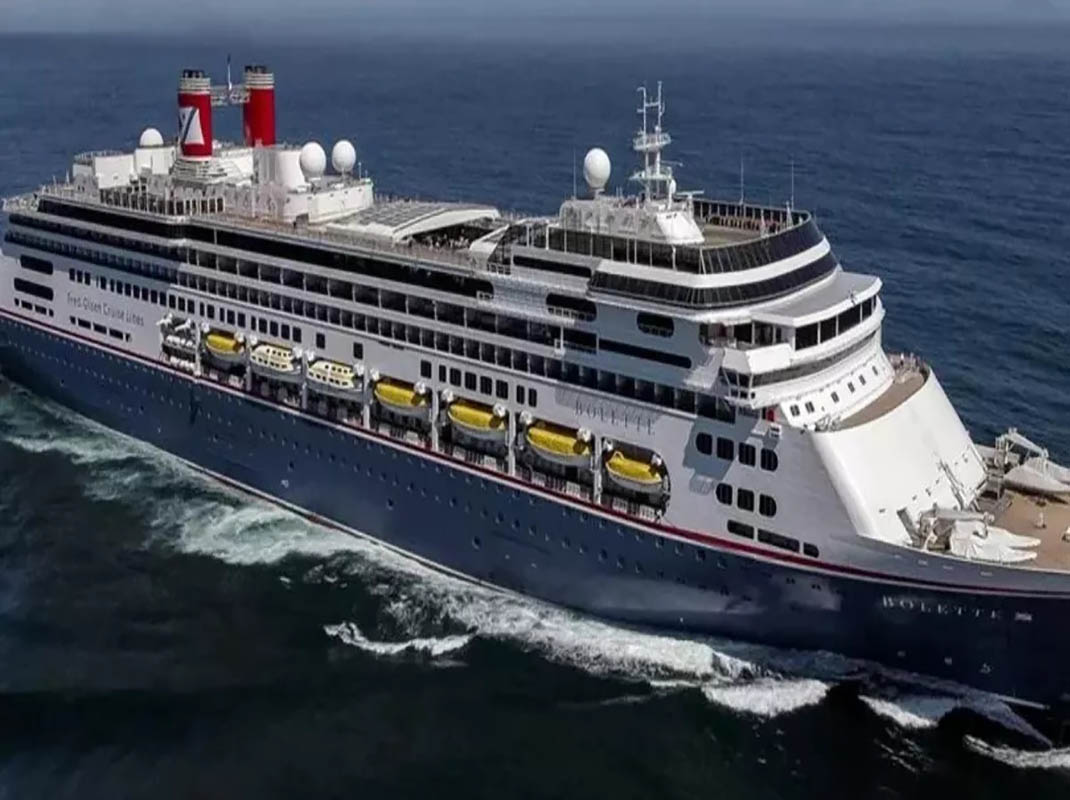
There’s something magical about approaching Galway from the water. As my cruise ship edged closer to the port, I could see the colorful houses along the waterfront, the lively bustle of the Claddagh, and the unmistakable energy of a city that feels both historic and youthful at the same time. Unlike arriving by train or car, a sea approach gives me a panoramic view of the bay — the light bouncing off the waves, the wind carrying a salty tang, and the faint hum of the city waking up in the distance.
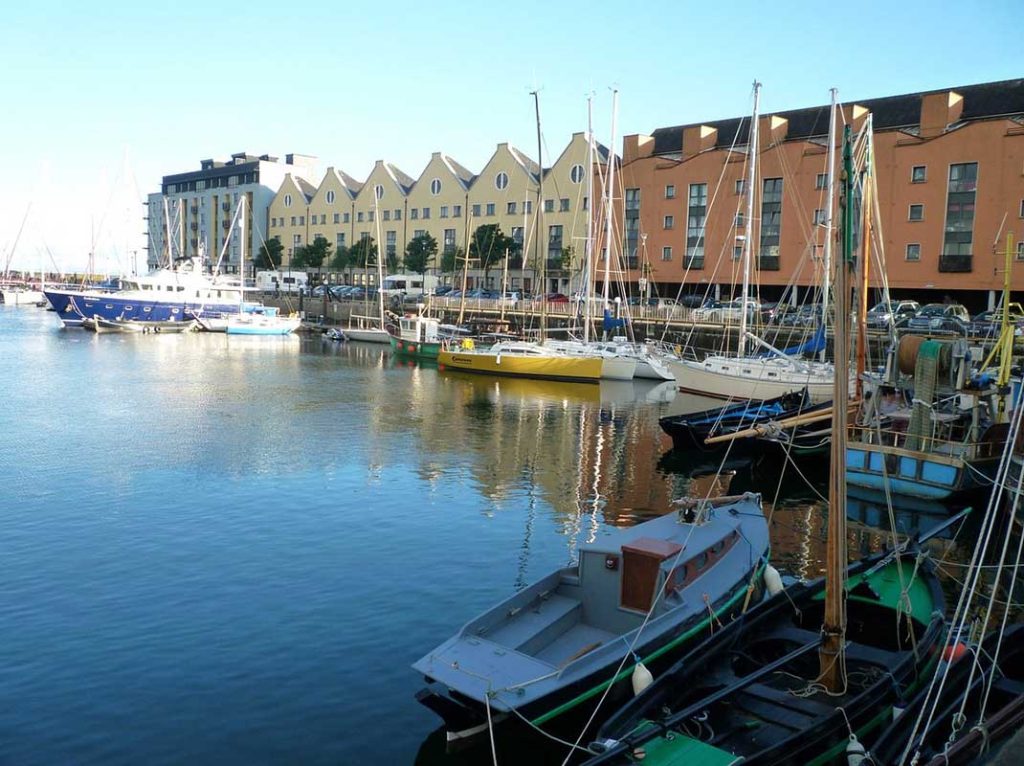
The Galway Harbour is small compared to Dublin or Cork, but that’s exactly what I love about it. It’s intimate, welcoming, and it places me right at the heart of the action. When the ship docks, I don’t feel stranded on the edge of nowhere — instead, I’m already just a short stroll from Eyre Square and the Latin Quarter. The city immediately feels accessible, manageable, and ready to be explored within a single day or at a slower pace if my itinerary allows.
Understanding the Galway Cruise Port
The port itself isn’t a massive terminal filled with endless shops and waiting areas. It’s practical, functional, and friendly. Galway Harbour lies on the River Corrib, just minutes away from the heart of the city. Smaller ships can dock directly at the pier, while larger vessels sometimes anchor offshore and tender passengers in. I’ve experienced both, and while tendering can feel a little time-consuming, stepping off the small boat and onto Galway’s soil makes the effort worthwhile.
There aren’t endless services on-site — no sprawling duty-free malls or cavernous lounges — but what the port lacks in size, it makes up for in location. Within five to ten minutes, I can find taxis, buses, or simply walk to most of the central attractions. For me, that proximity is one of Galway’s greatest strengths as a cruise destination.
First Impressions of Galway City
The first time I walked from the cruise pier into Galway, I remember being struck by the liveliness of the streets. Even in October, when the weather can be unpredictable, there was music pouring out of pubs, students filling the sidewalks, and markets buzzing with color. Galway feels youthful because of its large university, but it’s also steeped in history, with medieval walls, churches, and traditional shopfronts.
I felt immediately at ease here. Unlike larger European cities that sometimes overwhelm me with sheer scale, Galway is compact, charming, and best explored on foot. That’s why arriving at the cruise port feels less like a logistical challenge and more like an invitation to wander.
Getting Around from the Port
Because Galway is such a walkable city, I usually head straight into the center on foot. But when I want to explore further — perhaps to Salthill or the outskirts — I take advantage of local transport.
- Walking: From the port to Eyre Square, it takes me no more than 10–15 minutes at a leisurely pace.
- Taxis: Readily available near the port; fares to most city destinations range between €7–€15.
- Buses: Bus Éireann connects the city with outer neighborhoods and nearby towns.
- Car Rentals: For day trips to Connemara or the Cliffs of Moher, I often recommend booking ahead via platforms like Rentalcars.com or Europcar.ie.
I’ve also used bicycles to explore the coastline out toward Salthill, and it remains one of my favorite ways to experience Galway’s salty air and sweeping sea views.
Suggested Day Routes from Galway Cruise Port
When docking in Galway, cruise passengers often only have one or two days to explore. Over several visits, I’ve created routes that balance culture, food, and leisure.
Route 1: A Classic Galway Walk
- Spanish Arch: Just a few steps from the port, the Spanish Arch always feels like a gateway into the heart of Galway’s history. Dating back to the 16th century, it once protected the city’s quays and remains a proud symbol of its trading past. Standing beneath its worn stone, I imagine the merchants and sailors who passed through centuries ago, their voices echoing against the same walls I now touch.
- Latin Quarter: From there, I wander into the Latin Quarter, a maze of narrow cobbled streets filled with energy. The sound of fiddles and bodhráns spills out from pubs, while shopfronts tempt me with handcrafted jewelry, Claddagh rings, and quirky souvenirs. I often pause for a coffee in one of the artisan cafés, enjoying the hum of conversation and the mix of locals and travelers who give this district its vibrant personality.
- Eyre Square: A short stroll leads me into Eyre Square, the living room of the city. Students gather on the grass, families pass through with shopping bags, and buskers play tunes that draw small crowds. Sitting on a bench here, I always feel the rhythm of Galway life — fast-moving yet unpretentious, full of warmth.
- St. Nicholas’ Collegiate Church: To complete the walk, I step into St. Nicholas’ Collegiate Church, founded in 1320. The cool stone interior and the faint scent of old wood and candle wax create a sense of timelessness. Knowing that Columbus himself is said to have prayed here makes the experience even more remarkable.
This route is compact, requires no transport, and leaves me fully immersed in the soul of Galway.
Route 2: Food Lover’s Trail
- Galway Market: Just beside St. Nicholas’ Church, the market bursts with life, especially on weekends. Stalls brim with fresh breads, artisan cheeses, local produce, and street food. I never leave without sampling the fresh donuts dusted in sugar — still warm, they melt in my mouth and make me feel like a kid again.
- McDonagh’s Seafood House (22 Quay Street): Lunch for me often means McDonagh’s. Their fish and chips are legendary, the batter golden and crisp, while the fish flakes apart effortlessly. Their Galway Bay oysters are unforgettable: briny, clean, and paired perfectly with a squeeze of lemon.
- Ard Bia at Nimmos (Spanish Arch): Later, I sometimes settle into Ard Bia at Nimmos, a rustic, candlelit restaurant that feels like home. Their slow-cooked lamb or hearty stews are pure comfort, dishes that seem to capture the essence of Irish cooking.
Booking platforms like TheFork.ie make it easy to secure a spot, especially during weekends when demand soars. Prices usually range between €15–€30 per person, making this food trail both indulgent and approachable.
Route 3: Scenic Escape
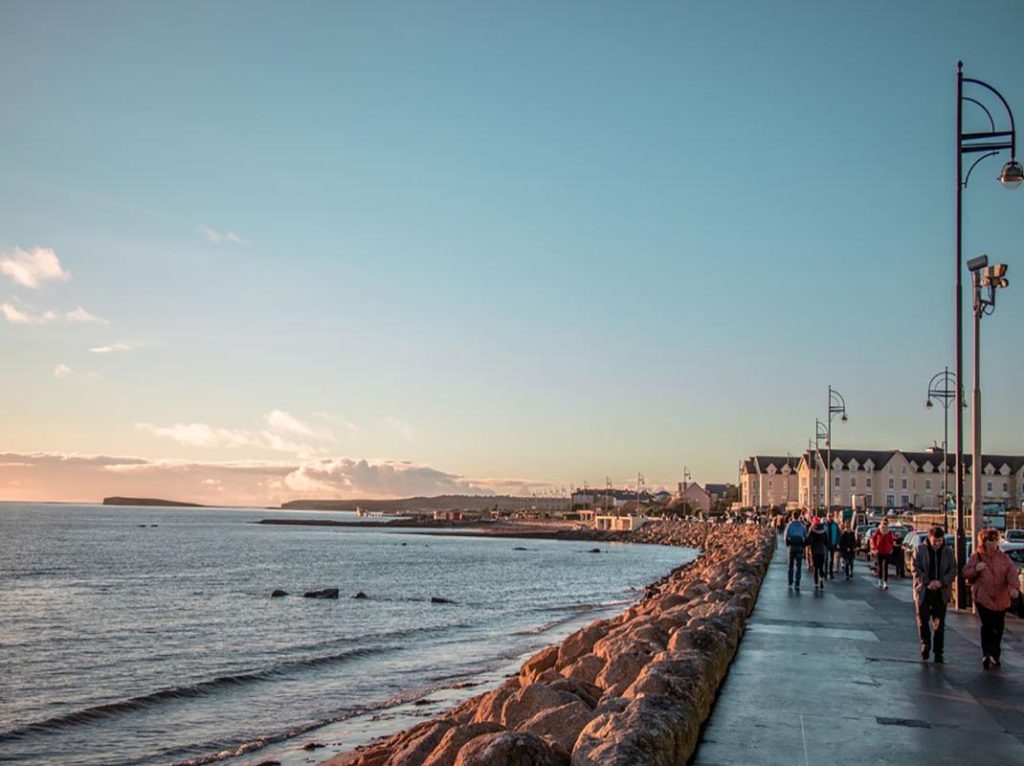
- Salthill Promenade: When I crave fresh sea air, I head to Salthill Promenade. A brisk 30-minute walk or quick taxi ride brings me to this stretch of Atlantic coastline. The path runs alongside the beach, with seagulls overhead and waves rolling rhythmically against the shore. On clear days, I can see the Burren hills in the distance. Tradition dictates kicking the wall at the end of the prom for good luck — something I never skip, always with a smile and sometimes with a whispered wish.
Day Trips from Galway Cruise Port
Sometimes cruise schedules allow longer stops, giving me the chance to head beyond the city. With careful planning, I’ve managed day trips to these unforgettable destinations:
- Cliffs of Moher: About 90 minutes by bus or car. I book tickets in advance through GetYourGuide.com or Viator.com, which often include guided commentary and guaranteed return times to the ship.
- Connemara National Park: Rugged landscapes, peat bogs, and tranquil lakes. Tours typically cost €45–€65 and can be reserved online.
- Aran Islands: A ferry ride from Rossaveel (40 minutes from Galway City). Exploring Inis Mór on a rented bike is one of my happiest Irish travel memories. Tickets can be booked at Aranislands.ie, and I always leave early to make the most of the day.
Dining Near Galway Cruise Port
Food is part of Galway’s identity. Even with limited time ashore, I make it a priority. Besides the seafood classics, I’ve discovered cafes and pubs within walking distance of the port that never disappoint.
- The Quay Street Kitchen (12 Quay Street): Intimate, with hearty Irish dishes like beef stew.
- Kai Restaurant (22 Sea Road): Seasonal, creative menus that highlight local produce. Reservations are a must — I use OpenTable.ie for convenience.
- The Kings Head Pub (15 High Street): A historic pub dating back 800 years, ideal for a pint and traditional music.
Meal costs range from €12 for a casual lunch to €40–€50 for a fine dining dinner. By booking online and avoiding peak dinner hours, I often secure early-bird menus that save me 20–30%.
Accommodation for Pre- and Post-Cruise Stays
I often choose to extend my cruise experience with a night or two in Galway. The city offers accommodation for every budget.
- The G Hotel (Wellpark, Dublin Road): A glamorous 5-star option designed by Philip Treacy. Perfect for a luxury treat.
- The House Hotel (Spanish Parade): Boutique charm right by the Latin Quarter.
- Kinlay Hostel (Eyre Square): Clean, central, and affordable for budget travelers.
For reservations, I rely on Booking.com, Airbnb.ie, and Expedia.ie. Each platform offers competitive rates, and I’ve found the best deals by booking 6–8 weeks in advance.
Practical Tips for Cruise Visitors
- Timing is Everything: Cruise schedules are tight. I always keep my watch synced to ship time to avoid the nightmare of missing departure.
- Weather Flexibility: October in Galway can bring sunshine, showers, and wind — all within the same hour. Layered clothing and a good rain jacket are non-negotiable.
- Cash vs. Card: Most places accept cards, but I carry some euros for markets and small vendors.
- Local Festivals: Arriving during the Galway International Oyster Festival (late September) or the Jazz Festival (October) adds unforgettable vibrancy to the trip.
- Booking Tours: Platforms like GetYourGuide.com and Viator.com offer “cruise passenger-friendly” options with guaranteed return times, giving me peace of mind.
- Flights & Connections: If I need to fly into Ireland before boarding a cruise, I typically book through Skyscanner.net or AerLingus.com, which provide flexible options and often the best prices.
Why Galway Feels Different
I’ve docked at many cruise ports around Europe, but Galway remains unique. It doesn’t overwhelm me with size or endless infrastructure. Instead, it welcomes me with intimacy, charm, and authenticity. From the moment I step off the ship, I feel part of the city — walking its streets, tasting its food, hearing its music. The cruise port isn’t just an entry point; it’s a threshold into a city that wears its heart on its sleeve.