When I first arrived in Galway, I quickly realized that moving around Ireland’s west coast is an adventure in itself. The city is compact, but its charm is enhanced by how seamlessly trains and buses connect it to the rest of the country. Over multiple trips, I’ve learned to appreciate the rhythm of Galway’s transport — the anticipation of a train pulling into Ceannt Station, the comfort of a long-distance bus, the small joy of spotting the rolling Irish countryside through a misty window.
This guide is my attempt to capture those experiences in a way that will help anyone planning to navigate Galway by train and bus. I’ll provide detailed information about train stations, bus terminals, ticketing platforms, transfer strategies, timings, costs, and practical tips for making travel smoother and more enjoyable. Along the way, I’ll share personal stories about journeys, delays, scenic views, and the little quirks of Irish public transport that make it memorable.
Arriving at Galway by Train
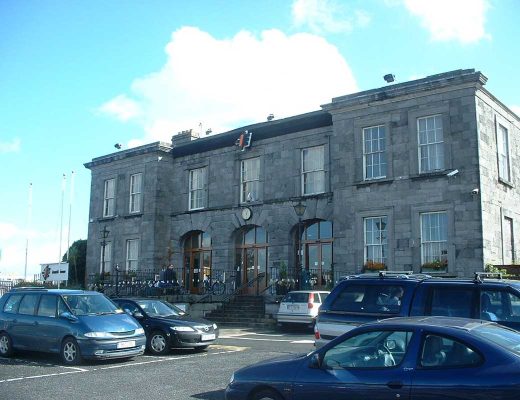
Galway Ceannt Station is the primary hub for trains entering the city. Located just a short walk from Eyre Square, the station is both functional and welcoming. The first time I arrived, I remember stepping onto the platform and feeling the brisk Atlantic air. The station building, though modest, has everything I need: a ticket office, waiting areas, a coffee kiosk, and clear signage in both English and Irish.
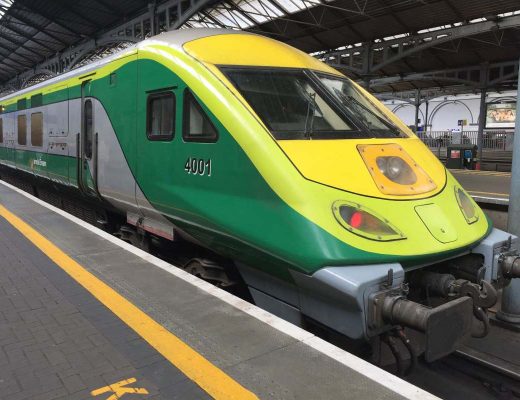
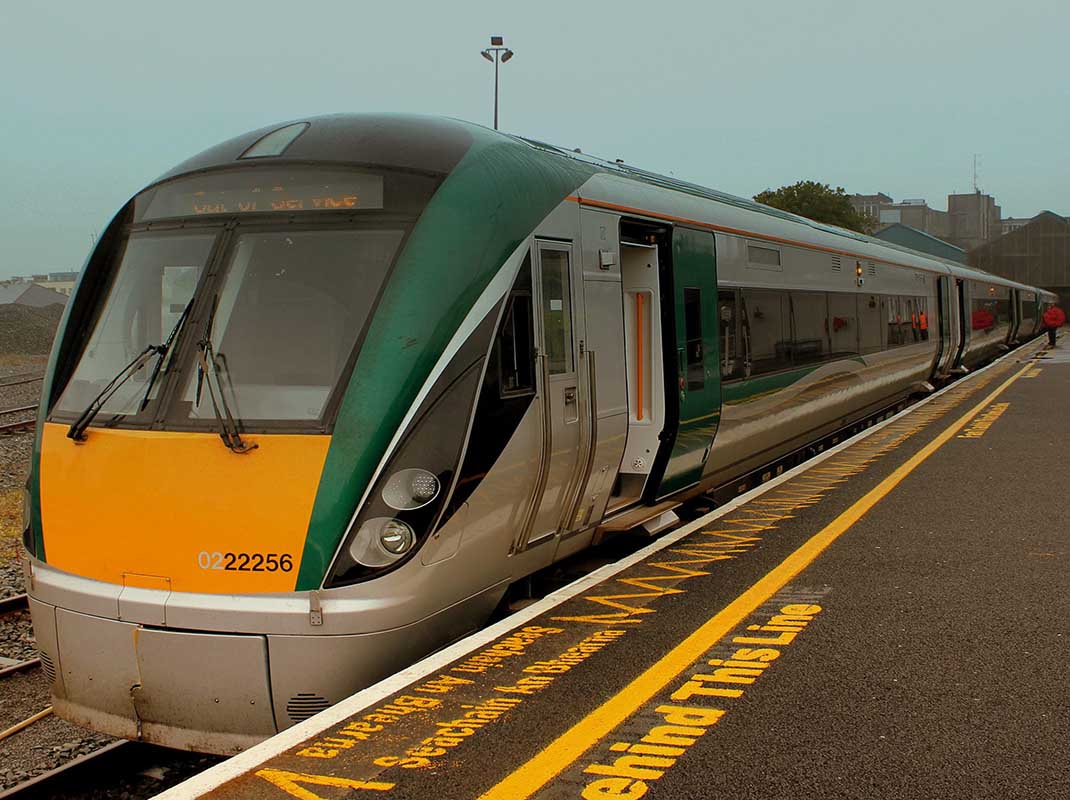
Irish Rail (Iarnród Éireann) operates the main routes to Galway. Most trains arrive from Dublin Heuston, Limerick, and Athlone. The journey from Dublin Heuston takes about 2 hours 40 minutes, and it’s one of my favorite routes because the scenery shifts dramatically from the urban sprawl to open fields, rolling hills, and glimpses of the Shannon estuary.
Practical Tips for Train Travel:
- Booking: I always use IrishRail.ie, which allows me to select seats, check real-time schedules, and occasionally find discounted fares. Advance booking can save up to 30% compared to buying at the station.
- Cost: Dublin to Galway is usually around €25–€35 for standard class, depending on timing.
- Seating: I prefer aisle seats on the left side of the train heading west — the views over the countryside and lakes are unforgettable.
- Luggage: Trains have overhead racks and space for suitcases. On a rainy January morning, I’ve appreciated how easy it is to stow my bag without crowding other passengers.
Galway Bus Station and Long-Distance Connections
Galway’s bus station, located adjacent to Ceannt Station, serves as the main departure point for intercity buses, including Bus Éireann and Citylink. The first time I used the bus station, I was impressed by its efficiency: clear displays, ticket counters, and friendly staff ready to help travelers navigate routes.
Buses are crucial for reaching towns not served directly by train, such as Clifden, Westport, or the Aran Islands ferry terminal at Rossaveal. On one January morning, I caught a Citylink bus to Westport. The road winds through hills and along rivers, and I found the journey both relaxing and visually stunning. Unlike trains, buses can access smaller villages, making them essential for exploring rural Galway County.
Practical Tips for Bus Travel:
- Booking: Both BusEireann.ie and Citylink.ie allow for online booking, seat reservations, and mobile ticketing. I usually book in advance during weekends and holidays to secure a seat.
- Cost: Citylink buses from Galway to Westport cost around €15–€20 one-way. Bus Éireann fares vary by route; off-peak times are cheaper.
- Transfers: If connecting to a smaller village bus, I often check Bus Éireann’s website to confirm that the timing aligns with my long-distance bus or train arrival.
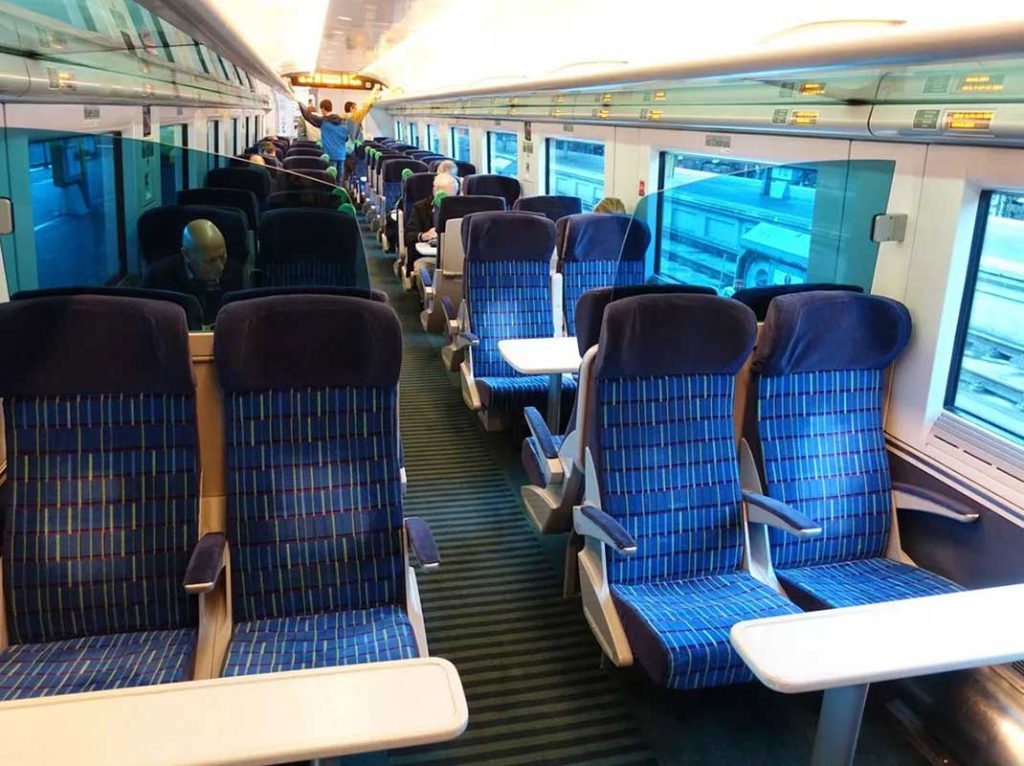
- Comfort: Long-distance buses are spacious, with reclining seats, free Wi-Fi, and sometimes USB charging ports — a small luxury I’ve grown to appreciate during winter trips.
Coordinating Train and Bus Transfers
One of the challenges I initially faced was coordinating train and bus transfers. Sometimes the train arrives early, sometimes the bus departs late, and small delays can create stress if you don’t plan ahead. Over time, I developed a few strategies:
- Buffer Time: I always allow at least 30–45 minutes between a train arrival and a bus departure. Galway is walkable, but bad weather can slow you down.
- Check Real-Time Updates: Both Irish Rail and Bus Éireann have mobile apps. I use them to check platform numbers, departure gates, and any delays. On one rainy January morning, a minor delay meant I had just enough time to grab a coffee from the station café before hopping on the bus.
- Purchase Mobile Tickets: For both trains and buses, I prefer e-tickets on my phone. It reduces stress and eliminates the need for printing.
- Luggage Considerations: I pack light whenever possible, but I always double-check if the bus or train has specific size restrictions or storage space.
Scenic Routes Worth Experiencing
Traveling by train or bus isn’t just about getting from point A to point B. Galway offers some truly breathtaking scenery along its routes. On a train to Galway from Dublin, I watched mist hover over fields, farmers’ flocks grazing, and distant lakes glimmering in the winter sunlight. On a bus to Clifden, the Atlantic Ocean occasionally comes into view through gaps in the hills, and I find myself holding my camera for more than just a snapshot — it’s a moment to savor.
One of my favorite experiences was a bus journey from Galway to Connemara. I sat by the window, headphones in, sipping a thermos of coffee I had bought at the bus station, and watched the landscape unfold: boglands, rugged hills, and the occasional herd of sheep. Despite the January chill, the journey felt warm and intimate — a personal connection to the land that’s harder to achieve by car.
Key Galway Transfer Hubs
Galway Ceannt Station: Primary train station, central location, nearby cafés, easy walking access to the Latin Quarter.
Galway Bus Station: Adjacent to Ceannt, main hub for Citylink and Bus Éireann, access to regional destinations.
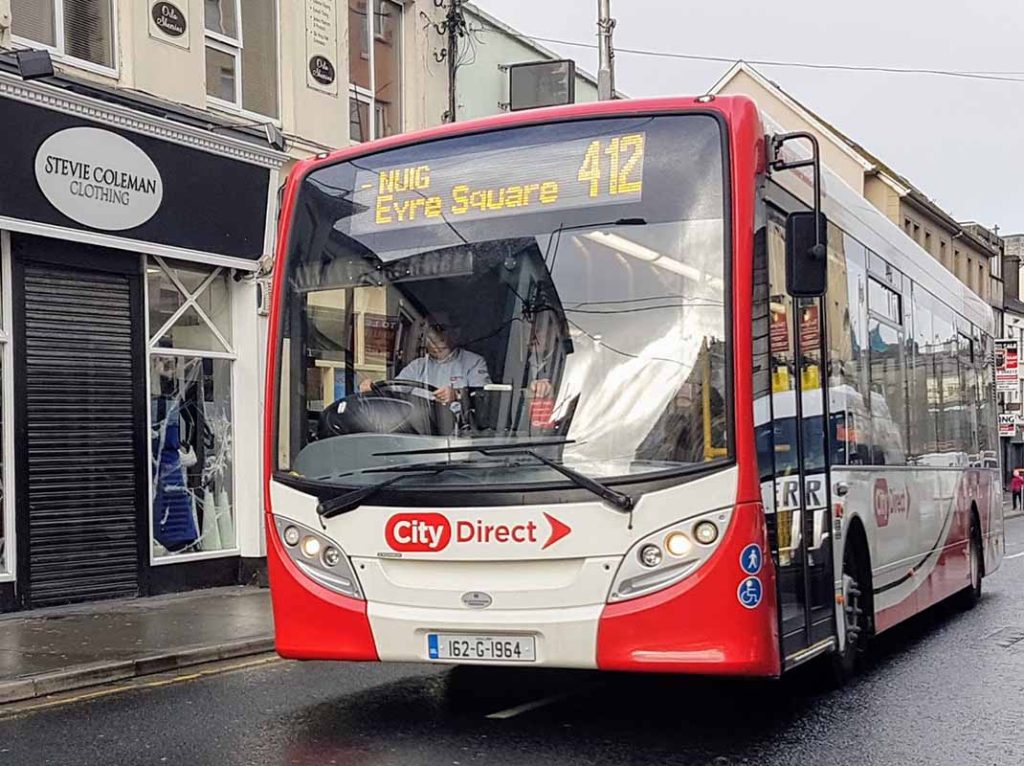
Eyre Square: Though not a station, many buses stop at this central square. I often use it as a meeting point and a place to orient myself between modes of transport.
Salthill Promenade Stops: For local routes, several buses run along Salthill. One morning, I caught the 402 bus here to reach the seaside, then transferred back downtown to catch a long-distance bus.
Transfer Tips for First-Time Visitors
- Plan the Route in Advance: I map out connections the night before, using Google Maps alongside official transport apps.
- Keep Change Handy: Some local buses require exact cash if not using a mobile ticket. I always carry a small amount of coins, especially for rural routes.
- Dress for Weather: Galway weather in winter can be unpredictable. Warm layers, waterproof jackets, and scarves are essential for any transfer involving a walk between stations.
- Timing Meals: Stations have cafés and small shops, but I often bring snacks for longer journeys. A pastry from Griffins or a sandwich from a local bakery keeps me energized for transfers.
- Ask Locals: Galway residents are friendly and often give tips for catching buses and avoiding delays. I’ve found asking a shopkeeper or café employee can save me from confusion.
Platforms for Booking and Planning
Throughout my trips, I rely on the following platforms for smooth transfers:
- IrishRail.ie – Train bookings, schedules, and seat reservations.
- BusEireann.ie – Regional buses across Ireland.
- Citylink.ie – Long-distance express bus services.
- Booking.com – Budget and mid-range accommodation near stations.
- Skyscanner.com – Flights into Dublin, Shannon, and other Irish airports.
- GetYourGuide.com – Guided tours often include bus segments connecting towns.
- TheFork.ie – For dining reservations when catching meals between transfers.
Personal Experiences: Memorable Transfer Moments
On a misty January morning, I once took the train from Dublin to Galway and timed my arrival perfectly to catch a bus to the Aran Islands ferry. The light was soft, mist hanging over the fields, and by the time the ferry arrived, I felt like I had already experienced Galway before even stepping into the city itself.
Another time, a minor delay in a bus from Clifden to Galway gave me 15 minutes to stroll through a quiet village market. I bought a freshly baked scone and some local cheese. Sitting on the bus afterward, I savored my small feast while watching Connemara’s hills roll by, and it remains one of my favorite Irish travel memories.
Practical Advice for Winter Travel
- Weather Considerations: January in Galway can bring rain, wind, and occasional frost. Waterproof boots, gloves, and layers make transfers manageable.
- Daylight Hours: With sunsets before 5 pm, I plan long-distance journeys in the morning, leaving afternoons for exploring the city or museum stops.
- Safety: Galway is generally safe, but when carrying luggage between stations, I remain vigilant, especially on crowded buses or trains.
- Flexibility: Delays happen, especially in winter. I allow buffer times between connections to avoid stress.
- Food and Drink: Carry a thermos or bottle of water. I often stop at a local café for a quick coffee or sandwich before catching a bus.
Immersing Yourself in Galway While Transferring
Transfers don’t have to be dull. Between train and bus connections, I often explore the streets nearby, take photographs, and discover hidden gems. Eyre Square, the Latin Quarter, and Salthill Promenade are all within walking distance of transport hubs. I’ve spent hours wandering between transfers, enjoying street music, local shops, and pop-up art installations.
Combining Transfers with Travel Planning
Using platforms like Booking.com and TheFork.ie, I often book accommodation and meals near my transfer points. For example, staying near Eyre Square allows me to walk to both the bus and train stations and ensures I have access to cafés and restaurants without stress. Flights booked via Skyscanner.com are coordinated with bus schedules, especially for arrivals at Shannon or Dublin. Guided tours through GetYourGuide.com sometimes combine train, bus, and walking tours, saving time and simplifying logistics.
Thoughts on Galway Transfers
Navigating Galway by train and bus has taught me patience, planning, and the joy of slow travel. Ireland’s west coast, with its rugged scenery, historic towns, and vibrant city life, is best absorbed when I allow myself to savor the journey between points, not just the destinations themselves. Whether it’s the comfort of a long-distance bus, the scenic charm of a train ride, or the short walk from Ceannt Station to Eyre Square, Galway’s transport network invites me to experience the city and its surroundings in a deeply personal way.