Galway in January is a city that feels both quiet and alive. The streets aren’t as crowded as in summer, but behind the doors of galleries, studios, and museums, creativity pulses in every corner. Walking through its cobblestone streets with my scarf wrapped tightly and breath visible in the cold air, I felt like I had the whole city’s cultural side waiting just for me. This trip wasn’t about rushing between pubs or chasing the Wild Atlantic Way; it was about slowing down, stepping inside warm rooms filled with history, and letting art tell me the story of Galway from different perspectives.
In this journey, I’ll take you through my personal experiences visiting Galway’s most remarkable art spaces and museums, explain exactly where they’re located, what makes each one special, how much it costs to enter, and what to watch out for as a traveler. Along the way, I’ll also share the booking platforms I trust — whether it’s for flights, accommodation, tickets, or restaurants — so planning your own Galway art and museum trip becomes effortless.
Why January Is Perfect for Galway’s Art and Museums
Some might think January is a strange time to travel to Ireland. The days are short, the weather is damp, and the Atlantic winds can be unforgiving. But for me, that’s exactly what makes it so special. The streets are quieter, and when I step into a museum or gallery, I often find myself sharing the space with just a handful of people. That intimacy allows me to linger in front of a painting without feeling rushed, to listen closely to a guide’s story, and to soak in details that would otherwise be drowned out by summer crowds.
Galway’s art scene feels particularly alive in the winter. Perhaps it’s the contrast between the grey skies outside and the bursts of color inside galleries. Or maybe it’s because, in January, I notice the locals more — the students sketching in notebooks at the museum café, the artists chatting at small exhibitions, the families bringing children to interactive displays.
Galway City Museum
Location: Spanish Parade, Galway City, just beside the iconic Spanish Arch.
The Galway City Museum is usually my first stop because it offers context. From the outside, the modern glass façade stands in contrast with the historic Spanish Arch next door. Inside, it unfolds as a three-floor journey into Galway’s identity.
On the ground floor, I wandered through archaeological displays: ancient tools, medieval artifacts, and items recovered from Galway Bay. One exhibit that struck me was a simple iron key, centuries old, displayed with a story of how it once locked the doors of a merchant’s house in medieval Galway. Holding my breath, I realized I was looking at something that had literally opened doors in this city long before I arrived.
Upstairs, the maritime gallery stole my heart. As I stood by the window overlooking the River Corrib, surrounded by displays of traditional Galway hooker boats, I felt the city’s maritime heritage come alive. The view itself was a living exhibit — boats bobbing in the water, seagulls wheeling above, the Spanish Arch framed against the winter sky.
The third floor housed contemporary exhibitions. During my January visit, I saw a photography exhibit documenting daily life along the Wild Atlantic Way. The images of windswept coasts and small fishing villages mirrored the landscapes I’d glimpsed on my train ride into Galway.
Practical Details
- Admission: Free, which makes it one of the most accessible museums in Ireland.
- Opening Hours: Typically 10 am – 5 pm, Tuesday to Saturday (closed Sundays and Mondays, so plan carefully).
- Booking: No advance booking required, but I often check the official website or GetYourGuide.com for updates on special exhibitions or guided tours.
- Tip: Arrive early in the day when it’s quieter. Afterward, I like to grab lunch at Ard Bia at Nimmos, just next door, where rustic Irish dishes warm you up immediately.
The Galway Arts Centre
Location: 47 Dominick Street Lower, Galway’s West End.
Crossing the River Corrib into the West End feels like stepping into a slightly different Galway — edgier, more bohemian, full of character. The Galway Arts Centre, located in an elegant Georgian townhouse, is the centerpiece of that atmosphere.
The first time I entered, I was struck by the quietness of the space. Two main gallery rooms featured contemporary Irish art, with pieces ranging from bold abstract canvases to intricate installations. One exhibition I encountered focused on environmental themes, with artists reimagining Ireland’s landscape through sculpture and mixed media.
What I love here is the intimacy. The rooms are small enough that I can stand close to the artwork, noticing textures, brushstrokes, and details I’d miss in larger galleries. There’s also something about the townhouse setting — creaking wooden floors, tall windows letting in muted January light — that makes it feel less like a museum and more like a personal conversation with art.
Practical Details
- Admission: Free, though donations are appreciated.
- Opening Hours: Usually 10 am – 5:30 pm, Tuesday to Saturday.
- Booking: Walk-in is fine, but for workshops and events I use Eventbrite.ie or the Arts Centre’s official site.
- Tip: Check if they have live readings, performances, or workshops during your visit. In January, I once attended a poetry reading here, and it remains one of my favorite cultural memories of Galway.
The Claddagh Ring Museum
Location: Quay Street, Galway City.
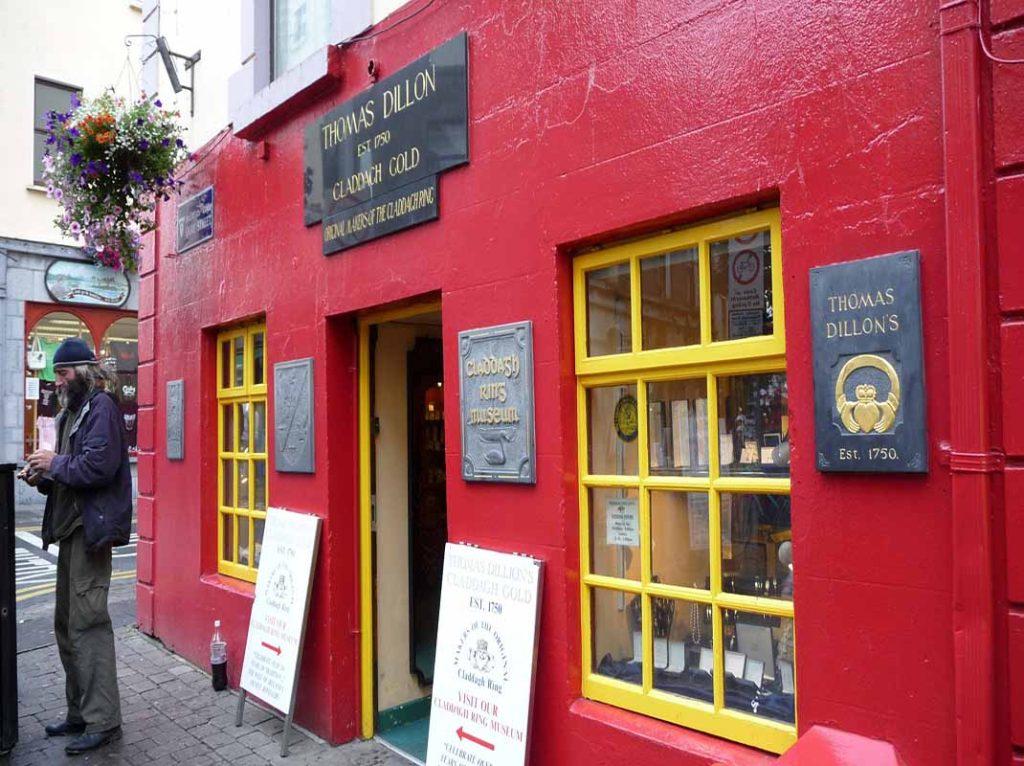
Few symbols are as closely tied to Galway as the Claddagh ring — the hands, heart, and crown design representing love, friendship, and loyalty. Visiting the Claddagh Ring Museum gave me a deeper appreciation for this iconic symbol.
The museum is small, almost hidden above the Thomas Dillon jewellers shop. Stepping inside feels like entering a secret treasure room. Displays show rings from across centuries, with delicate engravings and evolving styles. One ring, worn smooth from generations of use, looked less like jewelry and more like a family heirloom passed down with love.
I was fascinated by the stories: how sailors wore the ring with the heart pointing inward to signal they were married, or outward to show they were single. The personal connections behind the object made me see the ring not just as a souvenir but as a piece of living tradition.
Practical Details
- Admission: Free.
- Opening Hours: Typically 10 am – 5 pm, Monday to Saturday.
- Booking: No booking needed.
- Tip: After visiting, I recommend exploring the nearby Latin Quarter. On a January afternoon, with fairy lights strung above the cobbled streets, browsing small shops here feels like walking through a living gallery.
NUIG (University of Galway) Art Collection
Location: Quadrangle, University of Galway campus.
The University of Galway has one of the most underrated art collections in Ireland, spread across buildings on its beautiful campus. On a crisp January morning, I walked through the Quadrangle, its ivy-covered stone walls dusted with frost, and felt like I was entering another world.
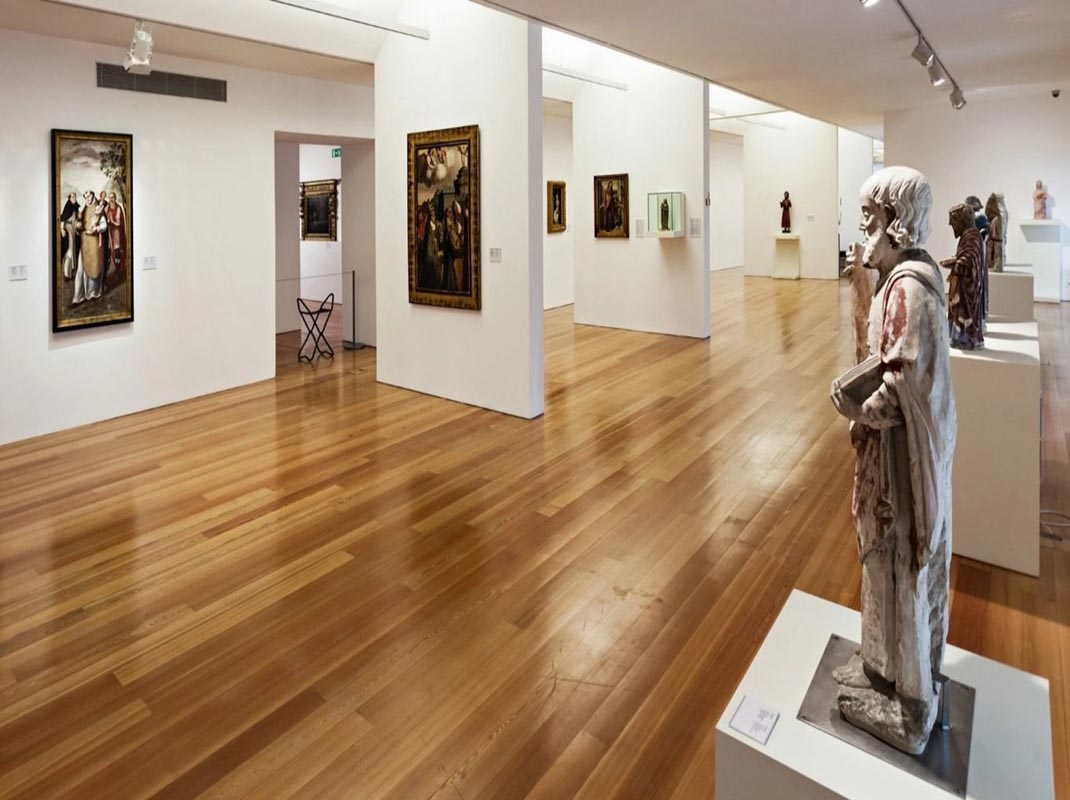
Inside the campus buildings, I discovered an eclectic collection: portraits of Irish figures, landscapes by Irish masters, and modern works donated by alumni and artists. It’s not a conventional museum — some pieces hang in hallways, others in lecture theatres — but that’s what makes it so exciting. Art here is part of daily life, not locked away.
Practical Details
- Admission: Free.
- Booking: The collection is accessible during campus opening hours, though I recommend checking the university website for information on guided tours.
- Tip: Pair your visit with a walk along the River Corrib, which runs through the campus. Even in January’s cold, the sight of swans gliding on the river beside the university buildings is magical.
Street Art in Galway
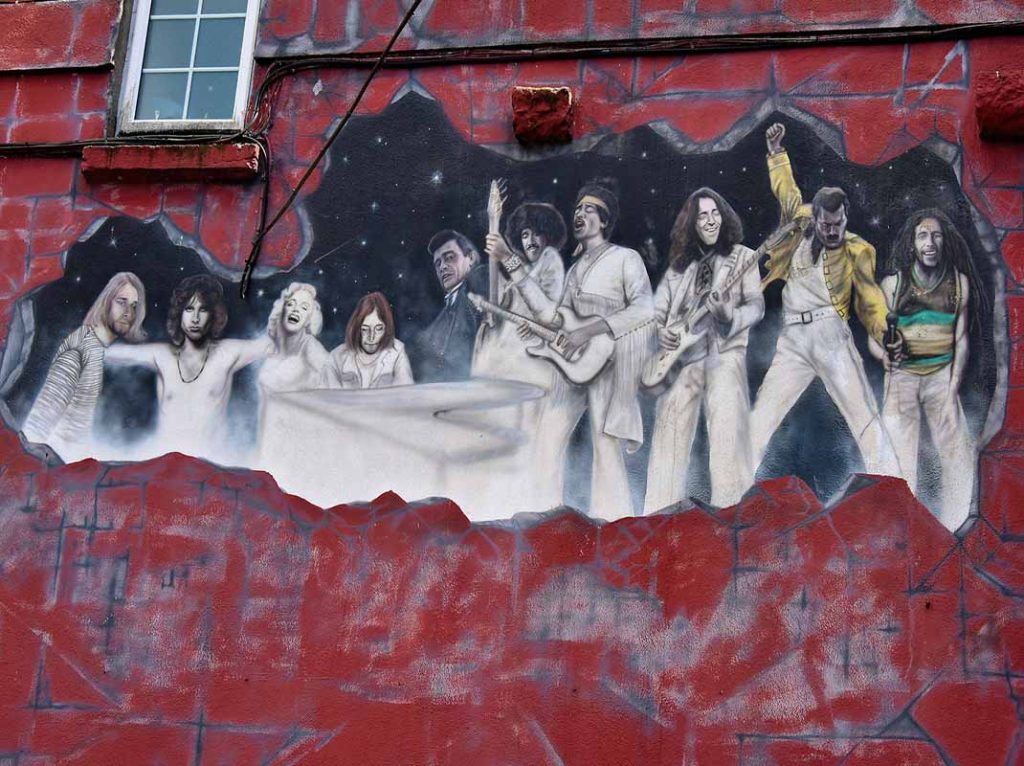
Not all of Galway’s art is confined to museums or galleries. Walking through the city, I constantly stumble upon murals that brighten even the greyest January day.
On the walls of the West End, I found a giant mural of a Galway hooker boat painted in vivid reds and blues. Near Eyre Square, another mural depicted local musicians, capturing Galway’s reputation as Ireland’s festival city. These artworks feel alive, constantly changing as new pieces appear and old ones fade.
The best way to experience them is simply to wander, especially around the West End and the Latin Quarter. I often bring a camera and let the art guide my route.
Booking Flights, Accommodation, and Tickets
For this trip, I booked my flight into Shannon Airport using Skyscanner.com, which allowed me to compare prices across different airlines. From Shannon, it’s a 90-minute bus ride into Galway with Bus Éireann, tickets easily booked online.
Accommodation-wise, I rely on Booking.com for flexibility — I usually reserve a guesthouse near Eyre Square, with free cancellation in case plans change. In January, rates are much lower than in summer; I once paid just €65 a night for a central room with breakfast included.
For restaurants, I often use TheFork.ie, especially to secure tables at popular spots like Ard Bia at Nimmos or Kai Café. When it comes to booking museum or gallery events, GetYourGuide.com and Eventbrite.ie are my go-to platforms.
Tips for Exploring Galway’s Art and Museums in January
- Dress Warmly: Many galleries are cozy inside, but the walk between them can be cold and windy. A scarf and gloves make all the difference.
- Check Opening Days: Some museums close on Mondays or Sundays. Always confirm online before heading out.
- Budget Time for Cafés: Part of the joy is warming up between visits. My favorite is Coffeewerk + Press, where I sip flat whites surrounded by art prints.
- Stay Central: Booking a place near Eyre Square means most museums and galleries are within walking distance.
- Plan for Early Darkness: In January, the sun sets before 5 pm, so I usually explore museums in the morning and early afternoon, then enjoy Galway’s music scene in the evenings.
Galway in January gave me a side of the city that felt deeply personal. The quiet museums, the small galleries, the glowing murals in the grey streets — together they told me the story of a city that values creativity as much as history. Each place I visited added another layer: the maritime pride of the City Museum, the intimacy of the Arts Centre, the heritage of the Claddagh Ring, the academic treasures of NUIG, and the vibrant street art coloring the walls.
Traveling for art isn’t about checking boxes; it’s about slowing down enough to listen to what a city is saying. In Galway, even in the quiet of winter, the city speaks loudly through its art.